Stems, Stare-Downs and the Schedule: My First Season on the Village Fete Flower Circuit

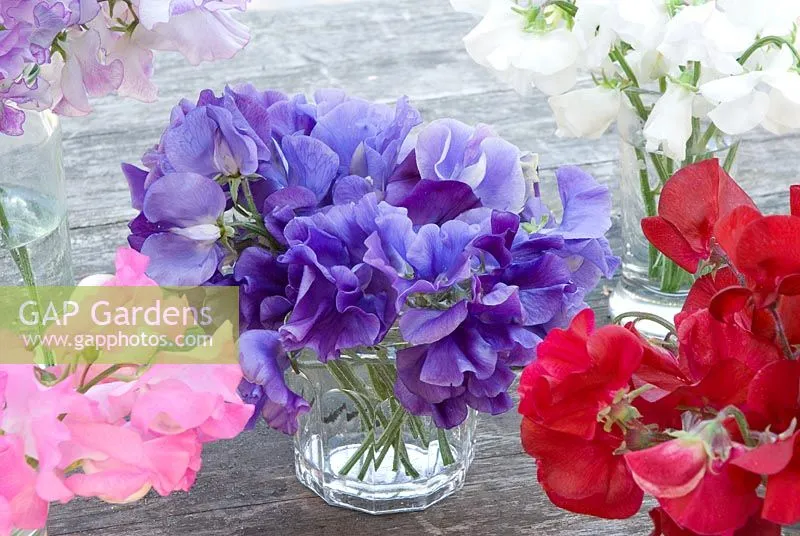
Photo: Jaggery, CC BY-SA 2.0, via Wikimedia Commons
There is a particular silence that falls over a village hall at 9.45am on show day, when the gates open to competitors only. The kettle is on in the corner. The trestle tables have been labelled with hand-written cards. And along the wall, a row of flower arrangers — most of whom have known each other for forty years — are conducting what can only be described as reconnaissance with their eyes.
I'd been writing about and teaching flowers for years before I entered a competition. I thought I knew what I was doing. I was, it turns out, wrong in several instructive ways.
Read the Schedule Like a Contract
Every show produces a schedule — a small booklet listing the classes, and this document is treated with the reverence of a legal contract. When it says 'an arrangement not exceeding 30cm in any direction', it means it. Judges carry measures. When it says 'fresh garden material only', a supermarket chrysanthemum smuggled in under a tea towel will be found out, because it always is.
The phrase you'll hear whispered most often is 'interpretation of the schedule'. A class titled 'A Summer Walk' might be won by someone who's interpreted it literally — cow parsley, grasses, a loose hand-tied feel — or by someone who's gone abstract: a spiralling arrangement in meadow colours. Both are valid. Only one wins. Nobody can tell you which.
My first schedule said 'miniature arrangement, not to exceed 15cm'. I spent a week with tweezers and a magnifying glass. The woman who beat me had used a thimble as a container, which apparently everyone knew was allowed, and I now know too.
The Unwritten Rules
Formal rules are one thing. The informal ones take longer to absorb:
- Never ask a judge for feedback before judging is complete. After, they will often give you a masterclass for free, and it will be more valuable than any workshop.
- Stage your arrangement to be viewed from one side only, unless the schedule says otherwise. The back is where the engineering lives.
- Condition your material properly. Judges can spot a stem that's been cut that morning and plonked. Deep water, a cool room overnight, and a good strip of foliage below the waterline.
- Bring your own cloth to stand your exhibit on, and make it a proper one. A rumpled tea towel reads as carelessness.
Does Competition Make You Better?
Here's my honest verdict after a season of it: yes, but not in the way you'd expect.
Competing hasn't made my arrangements tighter or more technically perfect. It's made me look differently. I notice negative space now. I think about scale, about the relationship between container and content, about whether a composition reads from three feet away. Those are workshop skills, sharpened by stakes — even if the stake is a red sticker and a £2 voucher for the garden centre.
Nervous? Enormously. My hands shook staging my first entry and a passing committee member told me, kindly, that she'd been competing since 1978 and still gets them. That's rather the point. The fete flower stall is friendly rivalry at its most British: fierce, quiet, and followed by tea and a shared Victoria sponge.
Have a Go Yourself
If you arrange at all — even just a jam jar of garden cosmos — find your local horticultural society and read next year's schedule. Start with the beginner class. Break a rule or two (accidentally, ideally). Ask for the judge's comments afterwards.
You'll lose to someone's mother at least once. You'll learn more in one show day than in a month of vase practice at home. And you'll discover that beneath the cryptic scoring cards lies a genuinely generous community, all quietly competing to grow the best British flowers and arrange them just that little bit better than the person next door.