Honesty Box Economics: A Season of Selling Sweet Peas From the Garden Gate
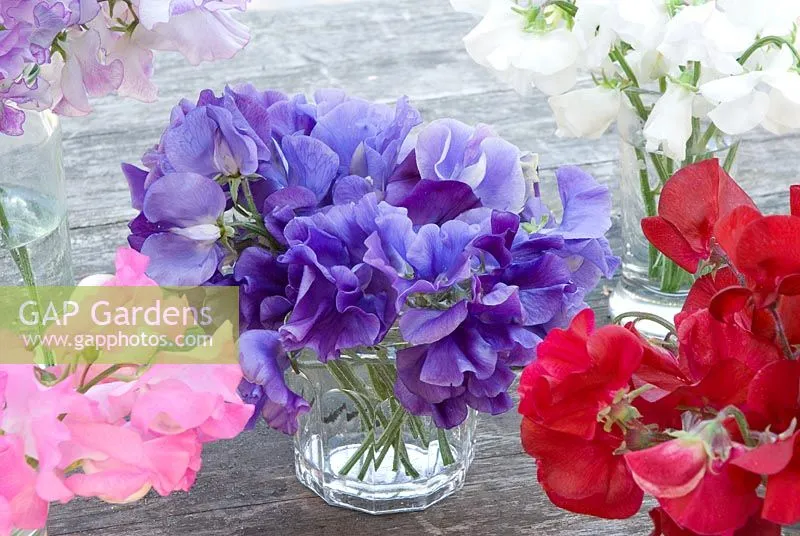
Photo: sweet pea posies jam jar honesty box garden gate, via www.gapphotos.com
The tin went out on the 14th of June
There's no grand plan behind a bucket of sweet peas and a biscuit tin with a slot cut in the lid. You grow too many. You always grow too many. And one morning in mid-June, when the espalier rows at the allotment are producing more than the house can hold, you prop the bucket on the gatepost, scribble 'Posies £3' on the back of an envelope, and see what happens.
That's how it started for me, anyway. What followed was eleven weeks of notes — takings, weather, wastage, and the things people said when they thought nobody was listening. If you've ever wondered what a homegrown flower is actually worth to the person buying it, read on. The answer is more complicated, and more encouraging, than you'd think.
The numbers, warts and all
Let's start with the ledger, because that's the part everyone asks about first.
Between mid-June and the first week of September, the gate took £417.50. That came from roughly 190 posies sold at £2 or £3 a go, with a few fivers tucked in by people who couldn't be bothered with change — the honesty box has a strange generosity built into it, which I'll come back to.
Against that, the costs: seeds and cordon wire, about £22. Compost and the odd bag of pelleted chicken manure, another £30 or so. Water — negligible, since I rain-harvest, but real if you're on a meter. Call it £60 all in, before a single minute of labour. So yes, technically a profit. But divide £417 by the hours spent sowing, staking, picking, conditioning and restocking, and you arrive at a wage that wouldn't buy the tea at one of our own workshops.
And that's with sweet peas, arguably the easiest high-value crop in the country. One picking session on a July morning fills an armful of stems that will sell themselves by teatime. Try the same sums with dahlias, which sulk in the rain, get eaten by earwigs, and demand constant cutting to keep producing, and the margin thins considerably.
What people think a flower should cost
Here's where it gets interesting. The envelope said £3. Most people paid £3. But a good third of my customers — and I use the word warmly — paid £2, because that's what they remembered posies costing 'in the old days'. A handful paid £5 and waved away the change.
The conversations were the real research. One woman, a retired florist from the next village, said: 'You're charging half what you should, love. Supermarkets have ruined everyone's sense of it.' She was right, of course. We've all been trained by four-for-a-tenner bouquets flown in from Kenya and pumped full of whatever keeps them perky for a fortnight in a lorry. Against that backdrop, £3 for a bunch of Lathyrus picked at dawn seems either a bargain or an outrage, depending entirely on what you're comparing it to.
What nobody ever did was haggle. This is Britain. We'd rather quietly pay less than advertised than negotiate.
The regulars
Every honesty box develops a cast. Mine included:
- The Tuesday couple, who bought a posy every week for their kitchen table and once left a note asking if I could grow more of the dark purple ones next year. (I have. Already sown.)
- The cyclist, who paid in exact change every Saturday and never said a word.
- The child, roughly eight, who paid with a 50p piece and a handful of conkers in September. I let it go. The conkers are lovely.
- The woman who asked if they were 'organic', and seemed genuinely moved when I said I just hadn't got round to spraying anything.
That last one matters. People buying from a garden gate aren't really buying flowers. They're buying the story — the season, the village, the fact that a neighbour grew these. It's the same impulse that fills farm shops and flower festivals and, yes, workshops at a floristry school. British grown stems carry a narrative that no imported bunch can counterfeit.
The wastage nobody warns you about
Sweet peas are generous but not immortal. Anything picked in the morning and unsold by evening was compost by the third day. I reckoned on losing about 15% of what I picked, more in the August heat. The trick I landed on: pick little and often, condition stems in deep cold water for a few hours, and never put out more than you'd be happy to eat as compost.
Rain was the other great leveller. Six or seven Saturdays were washouts, and posies don't sell to people sprinting from car to post office. There's no insurance against weather. You just take the rough with the smooth and put the tin somewhere dry.
So what's the lesson?
If you're reading this hoping for a business plan, I'm about to disappoint you. The gate doesn't pay the bills. But it does three things that matter more:
First, it teaches you what your flowers are worth to real people, in real time, with no buyer or wholesaler in between. That knowledge is gold if you ever graduate to markets, wedding work, or a proper patch.
Second, it builds a customer base before you've got anything to sell them beyond a jam jar of Lathyrus. The Tuesday couple will be first in the queue for a Christmas wreath, mark my words.
Third — and this is the one I didn't expect — it changes how you value your own work. There's a moment, somewhere around week four, when you stop apologising for the price and start believing the flowers earned it. That shift is the whole game. It's what separates someone who grows flowers from someone who sells them.
Have a go yourself
If you've got a gate, a patch of sun, and a spare £3 for a packet of seeds, you've got next summer's experiment already. Sow sweet peas in deep pots in October or March, give them something to climb, pick them hard, and put the tin out. Price honestly, note everything down, and prepare to have your assumptions about what a flower should cost thoroughly rattled.
And when the eight-year-old offers you conkers? Take them. Some payments don't go in the ledger.