Keep It Forever: What Happens When the Bouquet Was Never Meant for the Bin
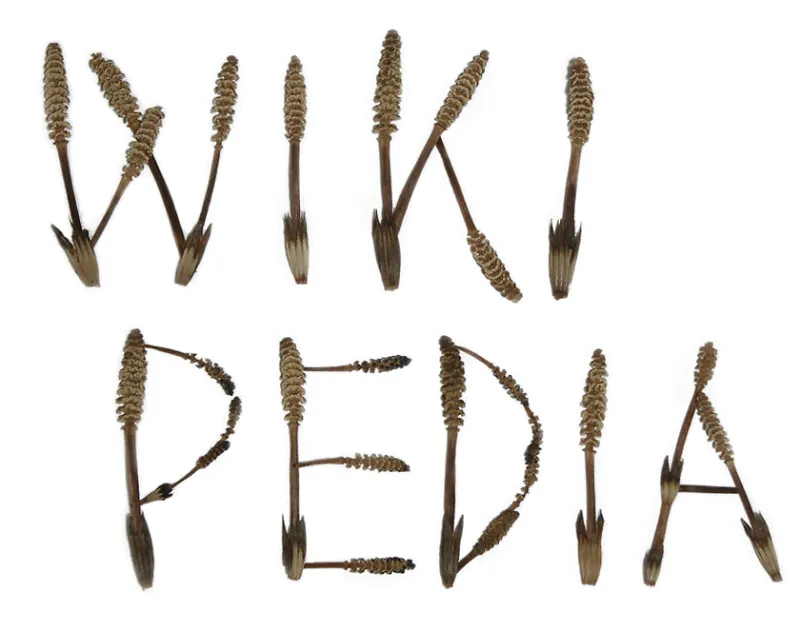
Photo: Jouhow, CC BY-SA 3.0, via Wikimedia Commons
There's a particular sadness to the end of a wedding day. The cake's been eaten, the confetti's been swept, and somebody's aunt is holding a bouquet that cost more than the hen do, asking where the bin is.
We think that's a small tragedy. Not because flowers should last forever — they shouldn't, and that's rather the point of them — but because some bouquets aren't really flowers at all. They're a date. A person. A promise. And unlike the cake, you can actually keep them.
The Case Against the Compost
British cut flowers have never been more celebrated. We've railed long and hard against the imported, cellophaned, airfreighted rose, and rightly so. But there's a quieter issue hiding behind the good work: our relationship with flowers ends the moment the water goes cloudy.
A supermarket bunch is disposable and that's fine — it was £8 and it did its job. But the bouquet from your wedding? The tribute from your mum's funeral? The arrangement your other half bought the day your daughter was born? These deserve better than a wheelbarrow trip.
Flower keeping isn't nostalgia for nostalgia's sake. It's a form of marking time, the way we press coins in babies' albums or keep ticket stubs in shoeboxes. The difference is that flowers are made of water and good intentions, which means you have to intervene — and fairly quickly.
Pressing: The Old-Fashioned Way, and Still the Best
Let's start where our grandmothers started: between the pages of a heavy book.
Pressing suits flat-faced, low-moisture blooms. Think cosmos, sweet peas (fiddly but worth it), cornflowers, ferns, and — the undisputed champion — the humble daisy and its wild cousins. Roses press too, but you'll need to take them apart petal by petal and reassemble them on the page like a botany lesson.
The method could not be simpler. Cut the stems short, lay the flowers face-down on absorbent paper — greaseproof works, newspaper can stain — inside a heavy book, and leave them for three to four weeks. Change the paper after the first few days if you can bear to disturb things. A breeze block on top of the book speeds things along and makes you feel pleasingly Victorian.
The result: delicate, papery specimens that last decades. Frame them, tuck them into cards, or press a whole small posy as one composition and you've got a keepsake that costs precisely nothing.
Silica Gel: For When You Want the Flower, Not the Ghost of the Flower
Pressing flattens. If you want a rose that still looks like a rose — dimensional, rich, recognisably itself — you need silica gel.
It sounds technical and vaguely industrial, but it's available at any craft shop and works like this: bury the bloom completely in the crystals in an airtight tub, leave it for a week or so (microwave methods exist but we say patience beats speed for sentimental pieces), then brush it free with a soft paintbrush.
Silica is brilliant on roses, peonies at their tightest, hydrangea heads and whole small posies. It's less kind on anything fleshy or watery — succulents turn to mush, and tulips basically give up. Which brings us to a truth worth knowing before you start:
Not Every Flower Wants to Be Remembered
Some British blooms preserve beautifully and some, frankly, let you down. A quick field guide:
- Keep: roses, hydrangeas, statice, strawflower, cornflowers, nigella seedheads, grasses, lavender, gypsophila.
- Fudge it: peonies (gorgeous dried but they go brown if not caught early), sweet peas (fragile but pressable), delphiniums.
- Let go: tulips, daffodils, ranunculus, anything fleshy-stemmed. Some flowers are meant to be a good memory, not a physical one.
If your bouquet is heavy on the let-gos, take cuttings of the keepers and don't feel guilty. A preserved arrangement that captures the spirit of the original beats a mouldy attempt at the whole thing.
Resin, Glycerine and the Modern Options
For the committed: resin keepsakes — a bloom suspended in a paperweight or a ring holder — have come a long way, and several small British makers will do this for you if you'd rather not tackle it at the kitchen table. Glycerine, meanwhile, works wonders on foliage and branches, keeping leaves supple and glossy rather than brittle.
And if all of this sounds like too much? Take a photograph, sure. But also: hang the bouquet upside down in an airing cupboard for a fortnight and see what happens. The answer is usually a lovely, faded, slightly wonky thing that smells faintly of the day itself. That'll do.
The Point of It All
We teach flower arranging, but what we're really teaching is attention — noticing what's in season, what's in the hedgerow, what's in the vase. Preserving a bouquet is the same skill applied to memory. It says: this mattered.
So next time someone reaches for the bin after a big day, stop them. Hand them a book and a breeze block, or a tub of silica, and tell them to come back in three weeks. What they'll find is a flower that's technically dead but very much still here. A bit like the best memories, really.