Post-Mortem on a Dead Bouquet: Six Reasons Your Vase Gave Up by Hump Day
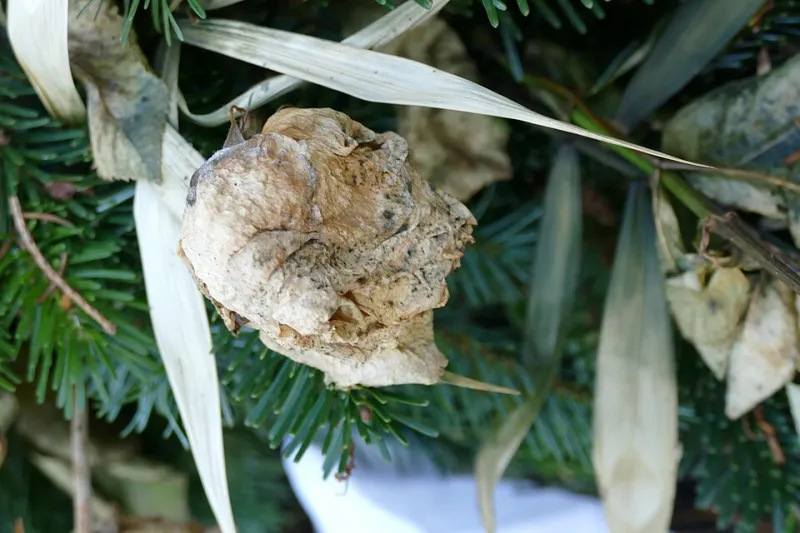
Photo: Kritzolina, CC BY-SA 4.0, via Wikimedia Commons
Let's have an uncomfortable conversation about Wednesday.
You bought (or were given, or cut) a gorgeous arrangement on Saturday. By Tuesday it looked tired. By Wednesday it was dropping petals into water that smelled faintly of a pond, and you were muttering about rubbish supermarket flowers while fishing a slimy stem out of the vase.
Here's the thing: I've done this autopsy hundreds of times, and the flowers are almost never the culprit. The killer is nearly always one of six suspects, and every one of them is preventable.
Suspect One: The Stem Was Crushed, Not Cut
Somebody told you once to smash woody stems with a hammer. This advice should be retired to the shed. Crushing splays the stem, mangles the vascular tissue, and invites bacteria to set up shop in the wreckage. Flowers drink through clean, open channels — give them a sharp diagonal cut with a proper blade, not scissors that chew, and never a mallet. If your roses have mashed, splintered ends, that's your autopsy result right there.
Suspect Two: Leaves In the Water
The waterline is a battlefield. Any foliage sitting below the surface rots fast, and rotting foliage breeds the bacteria that block stems and turn your vase into a biology experiment. The fix takes thirty seconds: strip every leaf that would sit underwater before the stem goes in. Do it at the sink, do it properly, and your vase water stays clear instead of turning the colour of weak tea by day three.
Suspect Three: The Vase Was Wrong For the Job
A wide-mouthed vase lets heavy-headed blooms — tulips, peonies, roses — splay outwards like teenagers on a sofa, snapping their own necks. A too-deep vase drowns short stems. Match the vessel to the material: a narrow-necked jug or a smaller, weighted vase supports top-heavy flowers and forces stems into a gathered, self-supporting shape. If your arrangement keeps flopping, it's not the flowers being dramatic. It's architecture.
Suspect Four: The Fruit Bowl
This is the one nobody believes until they see it. Ripening fruit — bananas especially — pumps out ethylene gas, which tells flowers, biochemically speaking, to pack up and die. That vase on the kitchen table three feet from the fruit bowl? You're ageing your arrangement at double speed. Move it. It's the cheapest fix in floristry.
Suspect Five: You Never Changed the Water
Fresh water isn't a nicety; it's the whole job. Bacteria multiply in stale water, clogging the stem ends until the flower is literally dying of thirst in a full vase. Change the water every other day, recut the stems by a centimetre each time, and rinse the vase — not just top it up. Topping up is how people fool themselves. Empty it out.
Suspect Six: No Conditioning Whatsoever
This is the big one, and it's the skill nobody photographs. Conditioning — giving cut stems a long, deep, cool drink in a dark place before arranging — is the unglamorous hour of work that buys you four extra days of life. Flowers come home, get stripped, cut, and plunged into deep water somewhere cool and dark for several hours (overnight is better). Only then do they get arranged.
Skip it and you're arranging thirsty, stressed stems and wondering why they sulk. Do it and even a £6 bunch behaves like it cost thirty quid.
The Manifesto Bit
We've built a culture that blames the flower — too expensive, too fleeting, not worth it. But flowers aren't fragile so much as they are honest. They last exactly as long as the care put into them, no more, no less.
Conditioning isn't glamorous. Nobody posts their flower bucket in a dark hallway overnight. But it's the difference between a hobbyist and a professional, and it costs you nothing but a sharp knife, a clean vase and a bit of patience.
Fix these six things and Wednesday stops being a funeral. It becomes just another day your flowers are quietly getting on with it.