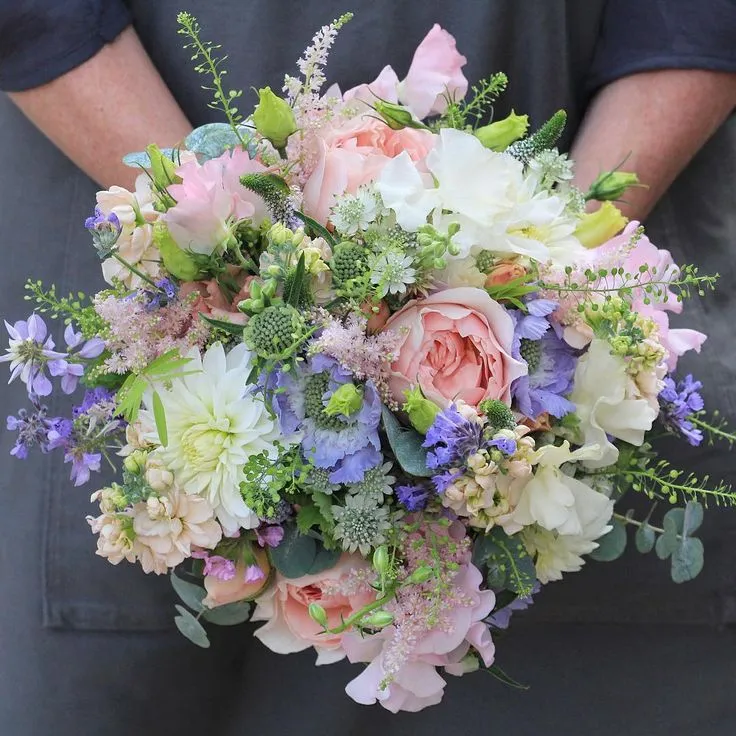
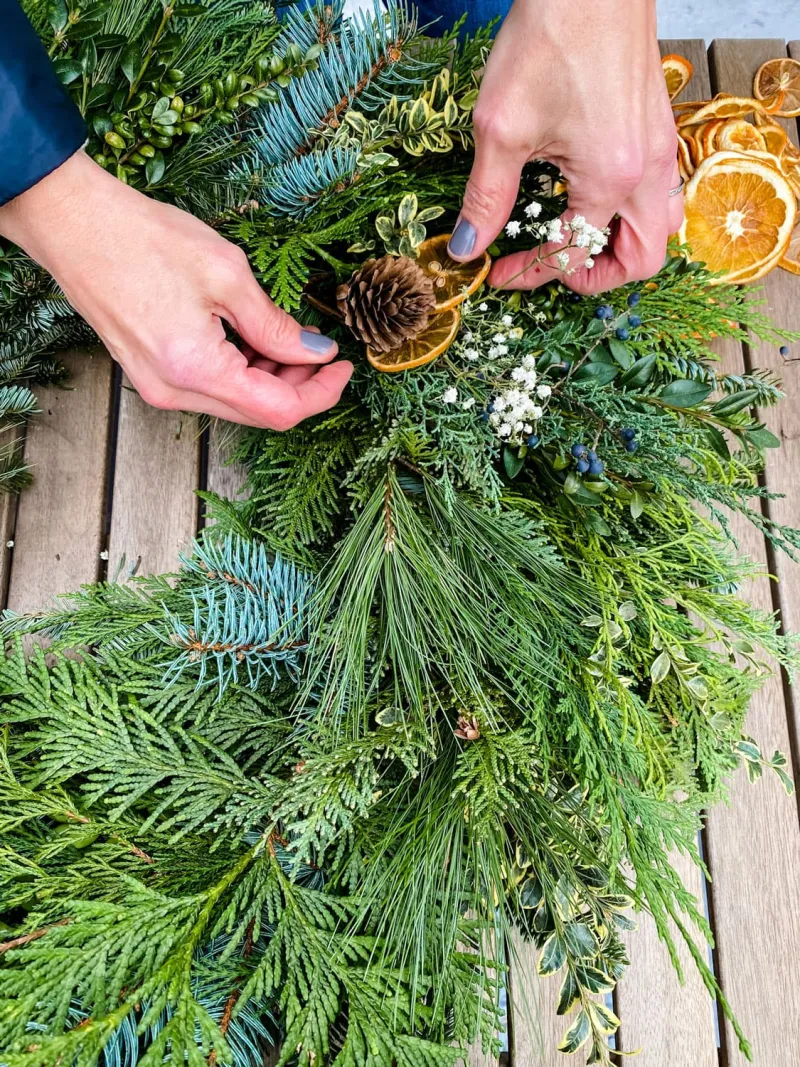
Chicken Wire, Pin Frogs and a Bit of Grit: What We Really Teach When We Teach Foam-Free

Photo: Ahmed Mahin Fayaz, CC BY 2.0, via Wikimedia Commons
Let's be honest about something most florists whisper rather than shout: floral foam is brilliant at its job. It holds stems exactly where you put them, it's cheap, it's predictable, and it's sat quietly at the heart of British floristry since the 1950s. It's also a single-use plastic that doesn't biodegrade, sheds microplastics into the water it soaks in, and ends up in landfill studded with dead roses.
At The Great British Flower School, we made the decision to teach foam-free from the ground up. Not because it's easy — it isn't, at first — but because a craft built on nature has no business being built on plastic. Here's what we've learned, warts and all.
The Chicken Wire Method: Our Workhorse
If you learn one foam-free technique, make it this one. A crumpled ball of chicken wire (we call it a 'wire nest') dropped into a vase or vessel creates a lattice that grips stems at any angle. It's the technique behind most of the big, loose, garden-style arrangements you see on our Instagram.
How we teach it in the workshop:
- Cut a generous square of chicken wire — roughly three times the width of your vessel opening.
- Roll and scrunch it into a loose ball, keeping plenty of gaps for stems. Don't over-tighten it; you need holes, not a brick.
- Tape it securely across the vessel mouth with waterproof tape in a grid or star pattern.
- Fill with water before you start arranging. Wire alone holds nothing; wire plus water holds everything.
- Build your arrangement through the grid, working in a spiral, stems sliding naturally into the mesh.
The honest verdict: chicken wire is cheap (a few pounds for a roll that lasts years), endlessly reusable, and brilliant for vessels of nearly any shape. Its one weakness is shallow, wide bowls where the wire can sag — solve that with a second, smaller ball of wire or a pin frog in the base.
Pin Frogs: Old-Fashioned, Precise, and Lovely
Kenzan — the heavy metal discs studded with pins, beloved of Japanese ikebana — are having a well-deserved moment. A pin frog in the bottom of a shallow dish grips woody stems beautifully: think holly, eucalyptus, blossom, or a single sculptural branch of contorted hazel.
They're the pricier option — a decent brass kenzan runs £8–£25 — but they last a lifetime and can be resharpened. We think of them as the hand tools of floristry: buy once, buy well.
Hay, Straw and the Humble Twig
For compote-style arrangements and funeral sheaves, we stuff vessels with straw, hay or a bundle of dry twigs bound with twine. It's the oldest trick in the book — quite literally how the Victorians did it — and it costs pennies, especially if you've a friendly farmer nearby. It suits softer, romantic work with British-grown stems: cornflowers, scabious, sweet peas. It won't hold a heavy hydrangea at a gravity-defying angle, and we'd never pretend otherwise.
What Doesn't Work (So You Don't Have To Find Out)
An honest guide demands some honesty about failures. Fruit and vegetables as stem holders rot fast and get slimy by day two. Loose pebbles and marbles shift and let stems wander. Those biodegradable foam bricks made from basalt? Better than plastic foam, but they're mined, shipped, and still single-use — we'd rather you learned wire.
And the biggest myth to bust: foam-free takes ten times longer. In reality, once your hands learn the spiral technique, a wired-and-taped vase takes perhaps five extra minutes. The first few arrangements will feel like wrestling an octopus. By your fourth, it clicks.
The Cost Question
A block of floral foam costs roughly £1. A coil of chicken wire costs £6 and makes hundreds of arrangements. A pin frog is a one-off. Over a wedding season, going foam-free saves money — and saves a few bin bags of microplastic from the churchyard into the bargain.
We won't pretend the transition is effortless. But floristry has always been a craft of hands, wire and ingenuity. Foam was the shortcut; foam-free is the craft. Come and learn it properly — your fingers will thank you by the third arrangement.