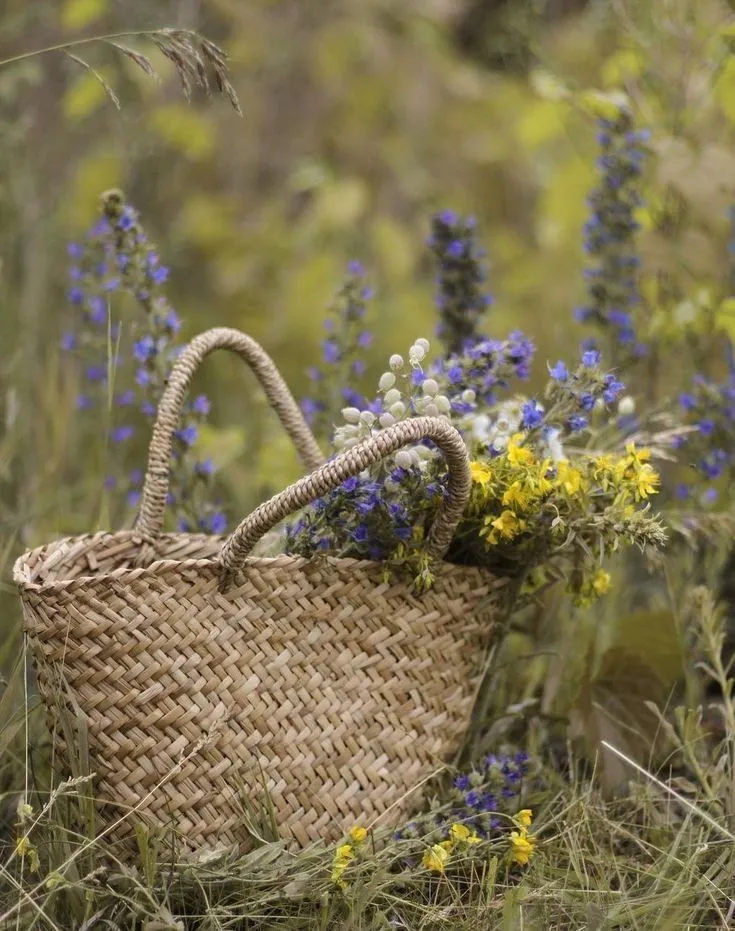
The 30-Mile Bouquet: Why We're Championing British Grown Stems
Photo: Colin Westley, CC BY-SA 2.0, via Wikimedia Commons
Let's be honest about the supermarket bouquet. It sits under the chiller lights, cellophane crackling, a dozen identical stems flown in from Kenya or Colombia or the Netherlands, uniform as a queue at passport control. It does a job. It fills a vase. But does it tell you anything about the season, the soil, or the person who grew it? Almost never.
At The Great British Flower School, we think that's a quiet loss worth arguing about.
The Hidden Cost of the Flying Bunch
The cut flower industry is a global machine, and a remarkably carbon-hungry one. Stems destined for British supermarkets may be flown thousands of miles, refrigerated at every stage, then trucked to distribution centres and stores — a cold chain that consumes energy at every link. Research from the University of Cranfield has suggested that out-of-season flowers flown in from overseas can carry a carbon footprint many multiples higher than the same stems grown here, in season, in British soil.
Compare that with a bunch of dahlias cut from a smallholding twenty miles away, bunched that morning, and sold at the village market. There's no cargo plane. There's no week in cold storage. There's just a grower, a season, and a stem that was in the ground yesterday.
Vase Life: The Fresher, The Longer
Here's the practical argument that wins people over: freshness equals longevity. An imported stem may already be a week or more old by the time it reaches your kitchen counter, having spent days in transit and cold storage. A locally grown flower, cut that morning, hasn't begun its journey yet.
Our students are often surprised by this. A British grown sweet pea, picked at dawn and conditioned properly, can outlast its supermarket equivalent by days. Peonies from a farm in Lincolnshire, cut at the right stage, will open slowly and gloriously across a whole week. The difference isn't magic — it's simply that the clock started later.
Character Over Uniformity
There's also a matter of taste — literally in the visual sense. Supermarket stems are bred for shelf life and consistency: straight, predictable, unblemished. British flower farmers, working with the seasons and often growing heritage or unusual varieties, produce stems with quirks. A slightly forked branch. A bloom that opens a little wonkily. Foliage with genuine movement.
These are the qualities that make an arrangement feel alive rather than manufactured. They're also the qualities that professional florists spend years learning to work with — and that we spend our workshops teaching you to embrace.
Voices from the Field
We spoke to growers across the country about why they do it, and the answer is rarely about money. "You can't compete with a flower that's been flown in," one small-scale grower in the Cotswolds told us. "So you don't try. You grow things they can't — the dahlias that don't travel, the sweet peas that need to be picked that morning. You grow the season."
Another, farming in Norfolk, put it more bluntly: "People say British flowers are expensive. A £5 bunch of daffodils that lasts two weeks in your hallway isn't expensive. It's a bargain."
That's the slow flowers argument in a nutshell — not nostalgia, but a better product, better made, better for the land it came from.
The 30-Mile Challenge
So here's our challenge to you, and it's the same one we set our students: arrange something beautiful using only flowers and foliage grown within 30 miles of your door.
For some of you, that will mean a trip to a local flower farm — and there are more of those than you might think, thanks to the Flowers from the Farm network, which maps small growers across the UK. For others, it might mean a friend's allotment, a community garden, or your own back border. Foragers: hedgerows count.
The rules are simple. Thirty miles or less. No imports, no florist wholesalers, no supermarket. Everything else — wild or cultivated, grown by you or by a neighbour — is fair game.
What you'll discover, we suspect, is that constraints are not the enemy of creativity. They're its best friend. A limited palette of what's actually in season forces you to look closer at what's available, to work with texture and form rather than relying on a familiar roster of blooms. It's how British florists worked for generations before the global supply chain flattened the seasons — and it's why our workshops put seasonality at the heart of everything we teach.
A Manifesto, Not a Lecture
We're not here to make anyone feel guilty about grabbing a bunch of tulips on a Thursday. Life is busy, and flowers in the house are a good thing, wherever they come from.
But we do think the choice is worth making consciously. British grown stems support local growers, reduce air miles, last longer in the vase, and carry the character of the season they were grown in. That's not a niche concern — that's simply a better way to buy flowers.
Try the 30-mile challenge once. See what you make. Then tell us — we'd genuinely love to see what grows near you.