October Homework: Getting Ahead of Wreath Season Before It Gallops Off With December
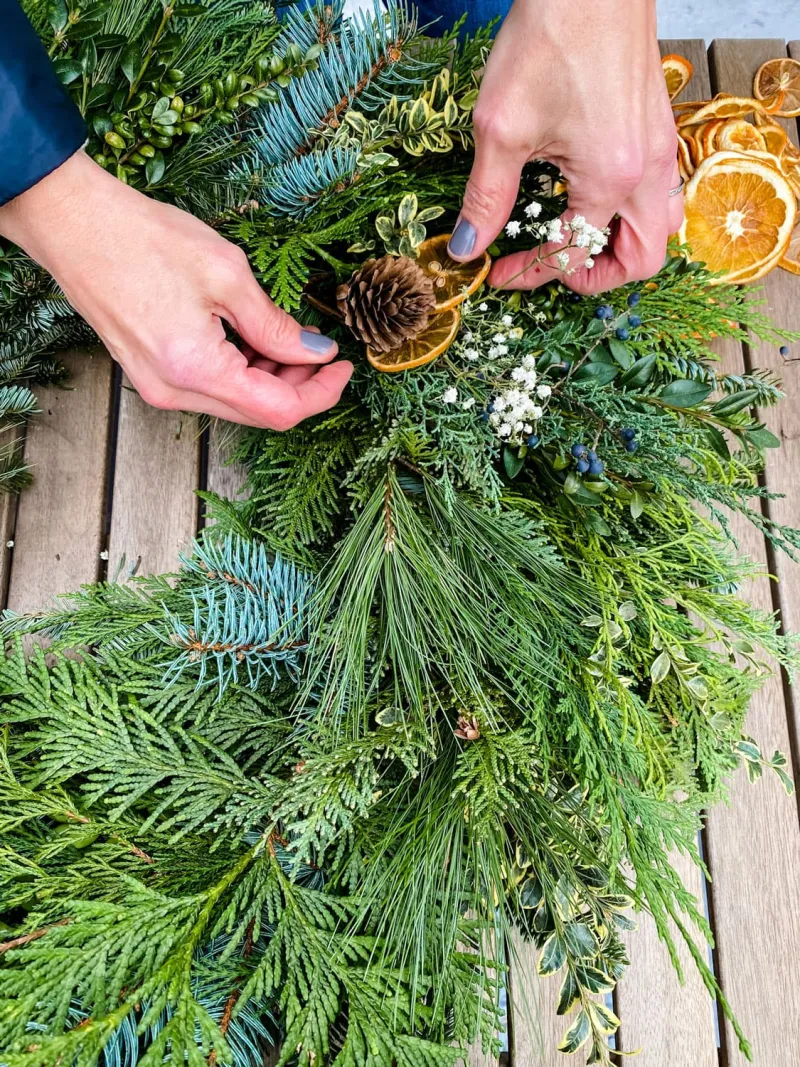
Photo: handmade christmas wreath making moss foliage foraged materials autumn workshop, via mostlovelythings.com
Every December, the same thing happens. Somewhere around the 8th, the orders arrive, the eucalyptus runs out, and you find yourself cutting ivy by torchlight wondering why you didn't start any of this in October. We've all been there. So consider this your gentle nudge: wreath season is won in autumn, not in the mad fortnight before the big day.
Here's how we plan it at the school, and how you can too — whether you're making twelve wreaths for the village or a hundred for the farm shop.
Forage and Gather Now: The October–November Hit List
The British hedgerow is generous, but timing is everything. What you gather in October and November will make or break your December.
Dry it now: Nigella seed heads, honesty (lunaria), teasels, poppy heads, grasses like miscanthus and bunny tails, and hydrangea heads (cut now, hang upside down in a dark, dry shed). All of these add texture and that lovely papery quality come December.
Cut and condition later: Holly — with or without berries — holds brilliantly on the plant, so note where the good holly grows and cut closer to the time. Same with mistletoe if you're lucky enough to live near an orchard in the West Midlands.
Evergreen staples to source: Pine, spruce (blue spruce is a joy), cypress, ivy in all its variegations, eucalyptus (from a grower, not the wild), and bay. If you've a Christmas tree farm nearby, they'll often let you take the pruned lower branches for a fiver or a friendly word.
A quick foraging note: always ask permission on private land, take no more than you need, and never strip a hedge — the birds need those berries more than your wreaths do.
Running a Wreath Workshop That People Remember
The wreath workshop has become as much a part of the British Christmas as the pantomime, and honestly, we love it. Done well, it's the cosiest ticket in town.
The bones of a good session: two to two-and-a-half hours, a moss-based wreath (we teach moss, not plastic ring-and-foliage shortcuts — it's more sustainable and it holds water), and a generous buffet table of dried and fresh materials so everyone's wreath looks different. Mulled wine helps. So does a proper demonstration at the start rather than just letting people loose.
If you're hosting at home or for a village group, keep numbers manageable — eight to twelve is plenty for one tutor. Charge for the materials upfront, and you'll know exactly who's coming.
Pricing: The Bit Everyone Gets Wrong
Here's a truth we share with every professional student: if your wreaths don't sell for at least £35–£50, you're probably working for free.
Do the maths honestly. Materials for a good moss-based wreath run £8–£15 (moss, wire, foliage, dried accents, ribbon). A wreath takes 45–90 minutes once you're practised. Add your time at even a modest hourly rate, factor in wastage and the ones that don't sell, and the price makes itself.
Selling tips that actually work:
- Take pre-orders from late November. A deposit secures the wreath; you make exactly what you've sold.
- Photograph last year's wreaths in October — you cannot sell what you haven't shown.
- Farm shops, garden centres and cafés will often take them on sale-or-return. Offer a delivery date, not a vague 'December'.
- Offer a collect-on-the-door service for regulars: fresh wreath, first week of December, no faff.
The Gentle Art of Not Burning Out
Batch your making. Make all your moss bases in one sitting, all your cutting in another, and wire on foliage in production-line runs. Listen to the radio. Make a flask of soup. Wreath-making is seasonal income, yes, but it's also a seasonal tradition — and if you're enjoying it, it shows in the work.
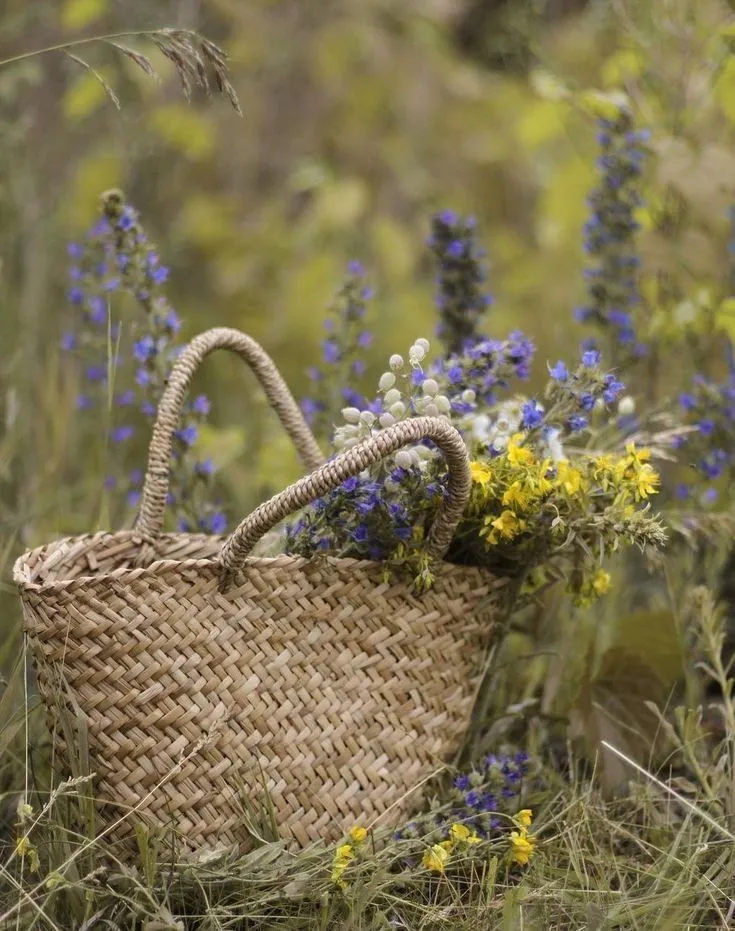
Get your foraging basket out this weekend. December-you will be deeply, profoundly grateful.