Beyond the Cellophane Spray: How the Funeral Wreath Got Stuck in a Rut — and How British Grown Blooms Are Bringing It Back

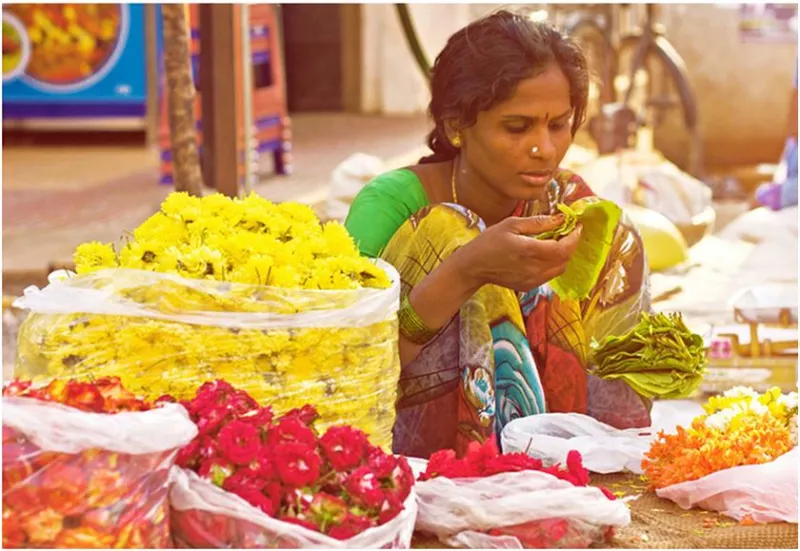
Photo: William D. Moss, Public domain, via Wikimedia Commons
Stand at the back of any village church or crematorium chapel of rest in Britain and you'll spot it: the procession of near-identical tributes. Teardrop sprays. Chrysanthemum-based wreaths in cellophane, ribbon across the front reading DAD or NAN in gold block capitals. Perfectly respectable. Deeply forgettable.
We're not here to sneer at any tribute made in grief — grief does what grief does, and a florist at 9pm on a Sunday filling a last-minute order is doing a kind of public service. But we are here to make the case that British funeral flowers have narrowed, and that the remedy is sitting in our cutting patches, hedgerows and farm gate buckets.
How We Ended Up With the Same Wreath Everywhere
The homogenisation has boring, practical roots. Interflora-style networks standardised designs so any member shop could fulfil any order. Supermarkets added sympathy bunches to the seasonal aisle. Chrysanthemums and carnations — hardy, shippable, available in February — became the default because they survive, not because anyone loved them.
The result: a funeral flower language that used to be regional, personal and seasonal became a national monoculture. A wreath in Cornwall looks like a wreath in Carlisle. That's a quiet loss.
What the Flower Farmers Say
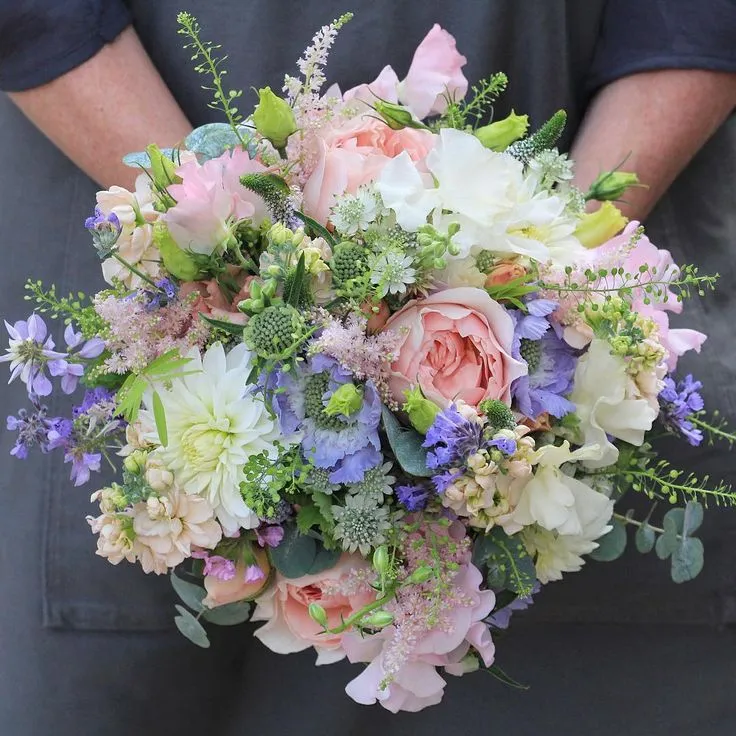
Talk to British flower farmers — the ones running two-acre plots and selling at farmers' markets — and a theme emerges: funerals are the orders they remember. One grower in the Cotswolds told us that the most meaningful bouquet she makes all year is often a loose, garden-style sheaf for a neighbour's funeral, heavy on the September dahlias or the January hellebores. Families ring up months later to say the dried seed heads are still on the mantelpiece.
Funeral directors, increasingly, are on board too. Several we spoke to now keep a list of local growers alongside their usual wholesale suppliers, because a growing number of families ask for something that reflects the person — the allotment, the garden, the hedgerow walks. A funeral director in Yorkshire put it plainly: "People don't want a product. They want a portrait."
Why Wreath-Making Skills Matter Here
This is where our seasonal wreath workshops earn their keep — and not just at Christmas. The core techniques are identical: a mossed or foam-free base, binding wire, a thumb and forefinger that know when a stem is seated properly. Willow, birch or vine base. Foliage laid in one direction, then another. Seed pods, berries, seed heads for texture.
Come November, the same hands that made a festive door wreath can make a memorial wreath that means something: rosehips and hawthorn from the lane the deceased walked every day, ivy from their garden, a few late chrysanthemums from their allotment if you plan ahead. Spring funerals can carry bluebell-appropriate etiquette (wildflowers gathered with care and permission), cow parsley and unopened peonies. Summer offers sweet peas — famously the flower of departure, sent to say thank you and farewell.
A Short Guide to Meaningful Alternatives
-
The garden sheaf: stems bound loosely and laid flat, as though just cut that morning. Works year-round; in winter, use evergreens, dried hydrangea and papery seed heads.
-
The living wreath: a mossed base planted with ivy, hellebores or small bulbs that can afterwards be hung in the garden or laid on a grave.
-
The single-variety armful: a whole bucket of one thing — the deceased's roses, their sweet peas, their wallflowers. Restraint reads as devotion.
-
The dried tribute: strawflower, nigella pods, grasses and honesty, made to last years rather than days.
A Gentle Ask
If you're arranging flowers for a funeral — or know you will be, one day — the kindest thing you can do is have the awkward conversation early. Ask your florist what's grown locally. Ask a flower farmer. Learn to moss a wreath frame on a Tuesday evening in October, so that when it matters, your hands already know what to do.
We teach wreath-making because it's satisfying. We keep teaching it because, occasionally, it turns out to matter a great deal more than that.