No Roses in March: Inside the School That Teaches With Whatever Grows
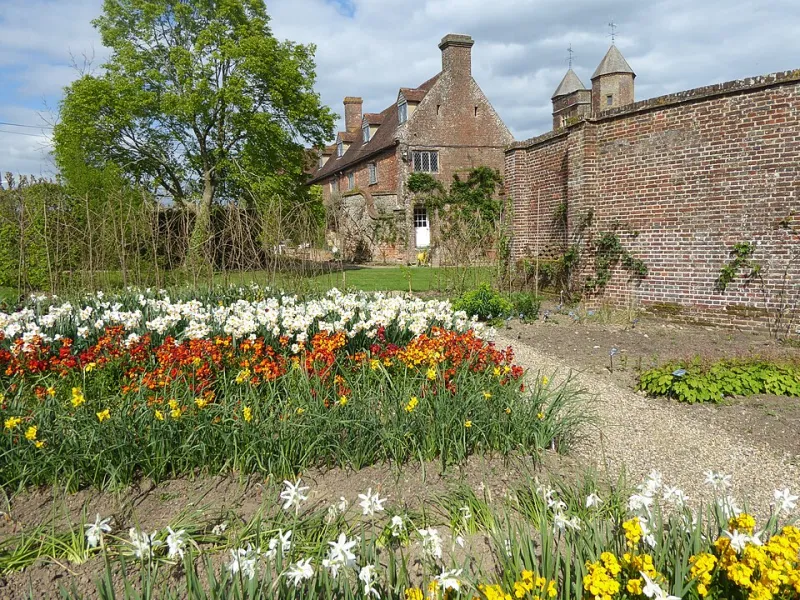
Photo: Marathon , CC BY-SA 2.0, via Wikimedia Commons
The Rule on the Wall
There's a sign pinned above the sink in our prep room that reads, in slightly wonky hand-lettering: If it flew here, it doesn't teach here. It's a bit cheeky, but it's also the whole philosophy of this school in eight words. No flown-in roses. No year-round supermarket carnations. No 'just this once' bunches of Kenyan spray chrysanthemums in the depths of a grey February.
When we set up The Great British Flower School, we made a promise: every stem a student learns on will have been grown here — ideally by us, in the cutting garden twenty paces from the workshop door. It sounded romantic in the planning stages. It has, on occasion, been absolute chaos.
The Hungry Gap Has Teeth
Everyone in the seasonal flower world dreads the same stretch of the calendar. Late March through May, before the hardy annuals and early perennials get going, is what growers call the hungry gap. The tulips are finishing or haven't started. The daffodils are over. The garden is all promise and no product.
Our first spring running a strictly seasonal curriculum, we genuinely considered cancelling a workshop. Instead, we redesigned it. Out went the lush, generous hand-tied bouquet lesson we'd planned. In came a session on structure — using bare branches of flowering currant, the last tulips rationed like gold dust, and a lot of honesty about working with negative space. Students later told us it was their favourite class of the year. There's something about scarcity that sharpens the eye.
That's become the pattern: the constraint isn't the problem. The constraint is the teacher.
Redesigning the Lesson Plan Around the Garden
Most floristry courses are built backwards from a fixed outcome. Here's how to make a bridal bouquet. Here's how to make a table runner. You order the ingredients, you follow the recipe.
We've had to flip that entirely. Our tutors now walk the cutting garden a few days before each workshop with a cup of tea and a notebook, and the lesson plan is written from whatever's actually standing. A bumper crop of ammi and orlaya? That's a class on airy, meadow-style arranging. A glut of dahlias in September? We'll run two dahlia sessions and cancel the foliage workshop, because there's nothing to put with them.
It means our course titles are, frankly, works of fiction until about a fortnight before they run. It means our booking pages carry a disclaimer about seasonal substitution. And it means students learn the single most important skill a seasonal florist can have: flexibility.
What We Lose — Honestly
Let's not pretend this is all charm and honeysuckle. There are real trade-offs.
We can't guarantee specific flowers. A student who has dreamed of learning with peonies might arrive in a week when the peonies have been battered by rain. We've had to turn down corporate bookings because they wanted a particular palette in a particular month, and we wouldn't budge. Our workshop photos are less glossy than our competitors' — a March arrangement of hellebores and twisted hazel doesn't have the instant Instagram punch of a rose-heavy dome.
And there's a cost angle too. British grown stems, bought from small local growers, are often pricier per bunch than imported stock. We absorb that in our course fees, and we're upfront about it. Sustainable floristry isn't cheaper. It's just cheaper for the planet.
What We Gain
Against all that, the gains are the reason we keep the sign above the sink.
Students leave knowing what actually grows here, and when. They can look at a June garden and see a curriculum. They learn to condition British stems properly — and British-grown flowers, cut that morning, need less fussing than flowers that have spent a week in a cargo hold. They discover flowers they'd never meet in a supermarket: scented stock, cornflowers, love-in-a-mist, the proper old-fashioned sweet pea that actually smells of something.
Mostly, they learn a different relationship with time. A seasonal florist doesn't demand; she waits, plans, and adapts. That's a lesson that reaches well past the flower bed.
Try It At Home
You don't need a school or a cutting garden to have a go. Set yourself the same rule for a month: no bought flowers, only what you can find in your garden, a hedgerow (responsibly, and with permission), or a local grower. February will test you. March will humble you. But by June you'll be arranging with a confidence that no imported bouquet can teach.
And if you find yourself eyeing the imported roses in the petrol station during the hungry gap — remember the sign. If it flew here, it doesn't teach here.