Eyes Shut, Nose Open: The Fragrance Test That British Blooms Keep Passing
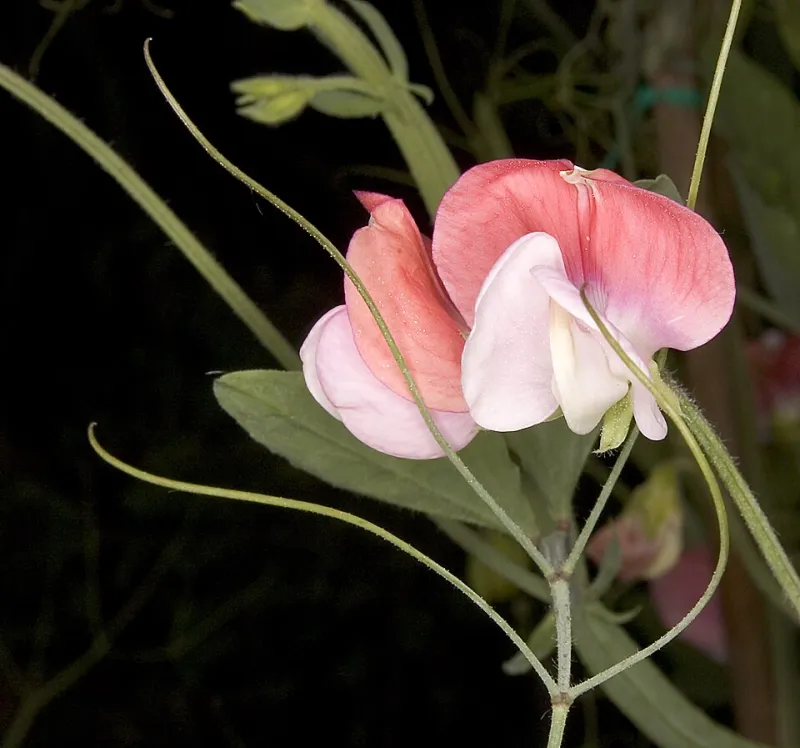
Photo: vinceconnare, CC BY 2.0, via Wikimedia Commons
Stand in a flower shop on a Saturday morning and watch what people actually do. The hands come out first. Then the head tilts. There is a lot of squinting, a bit of colour-matching against a coat, and occasionally a photo taken for the group chat. Almost nobody closes their eyes.
We have spent decades training customers to buy flowers with their eyes. The nose has been quietly made redundant, and I think we are all a bit poorer for it.
The sense we stopped asking for
Scent is the fastest route a bunch of stems has to being remembered. You can forget the exact shade of a supermarket bouquet by Tuesday, but a single sweet pea will take you straight back to a school garden or a grandmother's back step. Fragrance is memory with a stem attached.
It is also the most honest thing a flower can tell you. Colour can be sprayed, shape can be propped with wire, stems can be straightened in a sleeve. Smell cannot be faked. It's a small chemical report on how the plant was grown and how fast it got to you.
Why the imported rose smells of almost nothing
Most of the flowers in a British supermarket in November have been selected for a fairly narrow set of virtues: uniformity, stem length, vase life, and the ability to survive a long cold chain without bruising. Scent is not on that list, because scent is expensive. Volatile oils take energy to make, and a grower in Kenya or Colombia is not being paid for energy. They are being paid for a bud that opens on the kitchen table rather than in a container ship.
The other half of the story is timing. Commercial stems are usually cut in tight bud, dropped to a couple of degrees, and moved. The biochemical machinery that produces fragrance largely runs in the last day or two of a flower's opening. Cut that off and you get something that looks like a rose, holds its shape for eleven days, and smells faintly of the fridge.
Add a decade of breeding for scentlessness — partly because strong perfume causes complaints in mixed bouquets, partly because consumers never asked — and you end up with the modern supermarket bunch: a visual product.
British stems were never bred to travel
This is the bit that matters for anyone arranging at home. A British grower cutting on a Tuesday and selling on a Friday has no reason to sacrifice scent for stamina. Field-grown plants under real light, with real insects about, tend to invest in the chemicals that attract pollinators — which is to say, the ones we can smell.
It is not romanticism; it is logistics. Sweet peas, stocks, pinks, phlox, honeysuckle, lavender, narcissi, Nicotiana, scented roses like the old Gertrude Jekyll types — none of these travel gracefully. All of them are worth growing or buying precisely because they refuse.
The scent trail: three checkpoints
We teach a deliberately low-tech method. It costs nothing and takes about four seconds.
The bucket test. At the market or the farm gate, rub a leaf gently between finger and thumb to warm it, then smell. Then smell the flower from fifteen centimetres away, not with your nose buried in it. Reach past the showiest bucket. The stems with the strongest scent are often the ones with slightly fainter colour or a bit less poise, because nobody bred that out of them.
The bench test. Twenty-four hours after conditioning, in a warm room, smell again. Some flowers hold their perfume; some spend it in the bucket and are done by Wednesday. This is the checkpoint that saves you money.
The door test. This is the one people forget. You are not choosing a scent for your nostrils, you are choosing one for a room. Stand a metre and a half back and see whether you can still catch it. If the answer is no at that distance, you have bought decoration rather than atmosphere.
Also worth checking: what time of day you'll be in the room. Stocks and Nicotiana are evening performers. A bunch that seems quiet at eleven in the morning can fill a hallway by eight at night.
Conditioning without scrubbing the fragrance out
A few habits that protect the nose as well as the vase life:
- Cut stems at an angle and strip only the leaves that will sit below the waterline. Bruised foliage smells of cabbage, and it drags the whole bunch down.
- Use lukewarm water for woody stems, cooler for soft ones. Nothing enjoys a shock.
- Don't over-chill. A cold garage will hold a bunch for days but it also stalls the opening — and with it the scent. Bring flowers into the room a few hours before you want them to perform.
- Keep fruit bowls away. Ripening fruit pushes out ethylene, which ages flowers faster than anything else in a British kitchen.
Arrange by zone, not by colour
If you are putting more than one thing on a table, treat scent like sound: one lead voice, everything else supporting. Three heavily perfumed varieties in the same jug will fight, and the result is a muddy, slightly headachey smell that people blame on the flowers rather than the arrangement.
Put the strong things where noses pass — a hallway, a doorstep, beside a chair — rather than at the dinner table, where lilies and stocks will compete with the food. And if you are testing a lot of stems in one go, don't sniff coffee beans. Smell the wool of your sleeve instead; it resets the nose without the theatre.
The trade-off nobody mentions
I would be lying if I said fragrant flowers last as long. Hesperis falls over within a day. Lilac sulks. Old scented roses drop petals with a shrug. You are trading weeks for a moment, and the moment is usually worth it — but go in with your eyes, and nose, open.
Try this before the week is out
Buy two bunches: one supermarket, one British-grown from a market stall, a farm shop, or a grower's honesty box. Condition them side by side. Then, on the third evening, close your eyes at the doorway and see which one you can smell.
That is the whole test. No equipment, no expertise, no expense. Just the sense we stopped using, and a bunch of stems that never stopped making the effort.