Gates Open, Snips Ready: Britain's Cut-Your-Own Flower Farms Worth a Day Trip
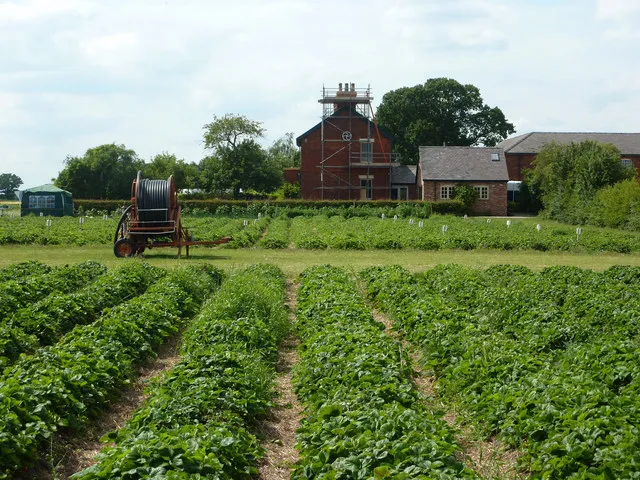
Photo: Richard Croft , CC BY-SA 2.0, via Wikimedia Commons
There's a moment, usually about ten stems into your first pick-your-own bucket, when it clicks. You've been buying flowers for years — sensible supermarket bunches, the odd market haul — and suddenly you're standing in a field where the dahlias cost less than a meal deal and nobody minds how long you take deciding.
If you're serious about moving from arranging shop-bought stems to cutting your own, visiting a flower farm is the shortcut. You learn in an afternoon what takes seasons to grasp from books: which stems are long enough, which buds are too tight, why the foliage matters as much as the flower.
Where to Go, Roughly Speaking
Kent and the Home Counties are spoilt rotten. The pick-your-own patches around the county — several open from June through the first frosts — tend to specialise in dahlias, cosmos and zinnias by late summer. Bring a bucket; most farms lend you one, but a lidded container for the drive home is a mark of experience.
The South West has a proper flower-farming cluster, helped by that mild, damp climate that keeps borders going well into October. Cornish and Devon growers often run workshops alongside their PYO rows, which is the ideal combo: cut in the morning, condition and arrange in the afternoon.
Yorkshire and the broader North trade quantity for theatre. Walled garden cutting borders — think brick-enclosed kitchen gardens where sweet peas scramble up hazel wigwams and the hardy annuals are sown in drifts — offer a masterclass in how flowers were grown for the house before the aeroplane changed everything.
Scotland has a growing scene too, with small-scale growers around Edinburgh, Fife and Perthshire opening for a few weekends a season. What they lack in scale they make up for in enthusiasm; expect a proper chat and probably a dog.
The best resource? The Flowers From the Farm directory maps hundreds of British growers, many of whom open by appointment. Don't assume opening hours — a lot of these farms are one-person operations, so message ahead.
Timing Your Visit
The British cutting season runs roughly April to October, but it peaks in waves:
- May–June: hardy annuals, biennials, the first sweet peas. The most romantic window, but stems can be shorter.
- July–August: the full riot. Dahlias begin, sunflowers tower, and the rows are at their most generous.
- September–October: dahlia heaven and the last hurrah. Cooler weather means better conditioning and longer vase life, honestly.
Go early in the day if you can. Flowers are turgid in the morning, and you'll be cutting them at their best.
How to Cut Like a Florist On Site
This is where a bit of tuition pays off. When you're in the row:
- Cut low, but not greedy. Take the stem down to a side shoot or leaf joint so the plant can regroup. Stripping a plant bare helps nobody.
- Choose buds, not blooms. A dahlia at full open is a dahlia that's past its best by Tuesday. Look for buds that are showing colour but not fully unfurled — except dahlias themselves, which don't open further once cut, so take those open.
- Longer is better. Bend down and look at the stem length before you snip. A stem with 30cm below the flower gives you options; a 15cm stub gives you a jam jar arrangement whether you like it or not.
- Strip the lower foliage as you go, or at least be ready to. Leaves below the waterline are the enemy, and the farm's compost heap doesn't need them either.
- Get them into water within minutes. Most PYO farms provide a bucket for your picks. Use it properly — deep water, stems submerged as far as possible — and your flowers will thank you with days of extra life.
What to Expect on the Day
Prices usually run £5–£15 for a jug or bucket fill, which is less than you'd pay for a worse bouquet in a service station. Wear boots — British cutting gardens are beautiful, not manicured. Bring cash just in case, though most take cards now. And do ask questions: growers are the most generous species of gardener, and you'll leave with variety names scribbled on the back of a receipt, ready to sow your own patch next spring.
Which, incidentally, is how this whole obsession usually starts.